Brussels, the capital city of Belgium, is a melting pot of cultures that is reflected in its diverse architecture. Over the centuries, the city has been shaped by various influences, resulting in a unique blend of styles that showcases its rich history.
Category : | Sub Category : Posted on 2024-10-05 22:25:23
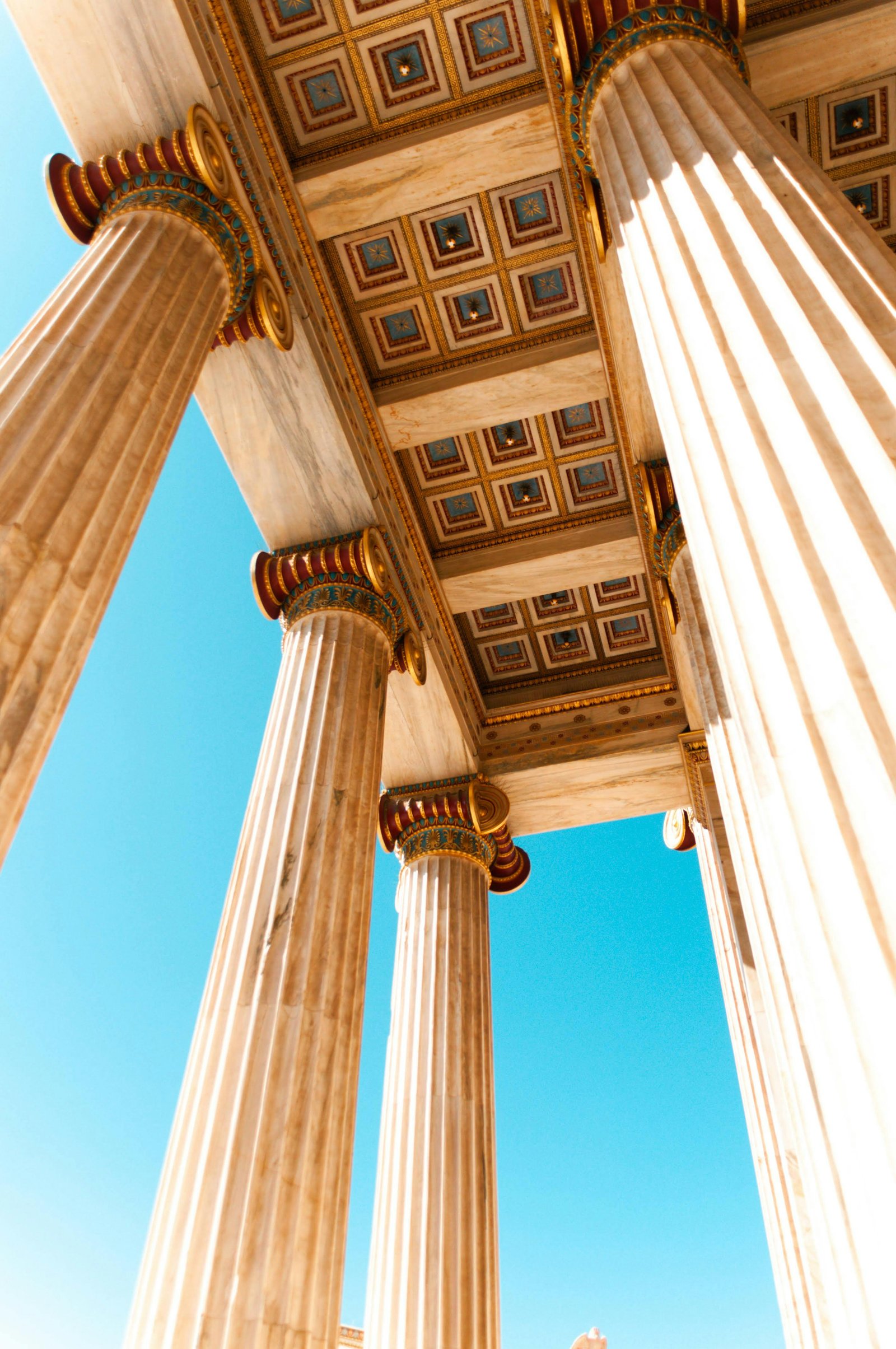
One of the most notable architectural styles in Brussels is the Art Nouveau movement, which emerged in the late 19th century. This style is characterized by intricate designs, curved lines, and nature-inspired motifs. Belgian architect Victor Horta is considered one of the pioneers of Art Nouveau, and his buildings in Brussels, such as the Horta Museum and the Tassel House, are prime examples of this elegant and organic architectural style. In addition to Art Nouveau, Brussels is also home to stunning examples of Gothic, Baroque, and Neoclassical architecture. The Grand Place, a UNESCO World Heritage site, is a breathtaking square surrounded by opulent guildhalls that showcase the city’s Baroque architectural heritage. The Cathedral of St. Michael and St. Gudula, with its imposing twin towers and intricate stained glass windows, is a prime example of Gothic architecture in Brussels. Moreover, the Atomium, a symbolic building in Brussels, represents the city's modern architectural prowess. Designed for the 1958 World Expo, this futuristic structure consists of nine interconnected spheres that form a giant iron crystal magnified 165 billion times. The Atomium has become an iconic landmark in Brussels and a popular tourist attraction. The multicultural aspect of Brussels is also evident in its architecture, with neighborhoods like Matongé and Saint-Josse boasting a vibrant mix of styles inspired by the city’s diverse population. From Moroccan-inspired mosques to Turkish baths and African art galleries, Brussels’ architectural landscape reflects the cultural richness of its inhabitants. Exploring the architectural wonders of Brussels is a fascinating journey through time and culture. Whether strolling through the historic streets of the city center or admiring the modern masterpieces in the European Quarter, visitors are sure to be enchanted by the diverse and captivating architecture that makes Brussels a truly unique destination.
Leave a Comment:
SEARCH
Recent News
- Vancouver is a vibrant city known for its stunning architecture and thriving business sector. The architectural landscape of Vancouver is a harmonious blend of old and new, with a mix of historic buildings and modern skyscrapers that grace the city skyline. From the iconic Canada Place to the sleek design of the Vancouver Convention Centre, the city boasts a diverse range of architectural styles that reflect its rich heritage and contemporary flair.
- When it comes to architecture in Vancouver, there are several notable companies that stand out for their exceptional work and innovative designs. These companies have made a significant impact on the city's skyline and have pushed the boundaries of architectural excellence. Let's take a closer look at some of the best architecture firms in Vancouver:
- Architecture plays a vital role in shaping the landscape of a country, and in the United Kingdom, the government offers a range of business support programs to help architects and architectural firms thrive. These programs aim to encourage innovation, growth, and sustainability within the industry, ultimately contributing to the development of high-quality buildings and infrastructure.
- Exploring the Architectural Charm of Turkish Residency
- Tunisia is a country known for its rich history and diverse culture, and its architecture reflects this unique blend of influences. From ancient Roman ruins to Islamic design elements, Tunisia's architectural heritage is a treasure trove of history and beauty.
- Tunisia, a North African gem known for its rich history, vibrant culture, and stunning architecture. From ancient ruins to intricate mosques, Tunisia showcases a diverse array of architectural marvels that tell the story of its past and present.
- Tunisia is known for its rich cultural heritage, vibrant markets, and stunning architecture. One aspect of this vibrant architecture that stands out is the design of Tunisian hotels. From historic buildings to modern resorts, Tunisian hotels showcase a unique blend of traditional and contemporary styles.
- When it comes to architecture, trends come and go, reflecting the evolving needs and desires of society. In recent years, several architecture trends have emerged, shaping the way buildings are designed and constructed. From sustainable architecture to smart technology integration, here are some of the top architecture trends to watch out for.
READ MORE
5 months ago Category :

Vancouver is a vibrant city known for its stunning architecture and thriving business sector. The architectural landscape of Vancouver is a harmonious blend of old and new, with a mix of historic buildings and modern skyscrapers that grace the city skyline. From the iconic Canada Place to the sleek design of the Vancouver Convention Centre, the city boasts a diverse range of architectural styles that reflect its rich heritage and contemporary flair.
Read More →5 months ago Category :

When it comes to architecture in Vancouver, there are several notable companies that stand out for their exceptional work and innovative designs. These companies have made a significant impact on the city's skyline and have pushed the boundaries of architectural excellence. Let's take a closer look at some of the best architecture firms in Vancouver:
Read More →5 months ago Category :

Architecture plays a vital role in shaping the landscape of a country, and in the United Kingdom, the government offers a range of business support programs to help architects and architectural firms thrive. These programs aim to encourage innovation, growth, and sustainability within the industry, ultimately contributing to the development of high-quality buildings and infrastructure.
Read More →5 months ago Category :
