"Exploring the Impact of Culture on Colors in Architecture"
Category : | Sub Category : Posted on 2024-10-05 22:25:23
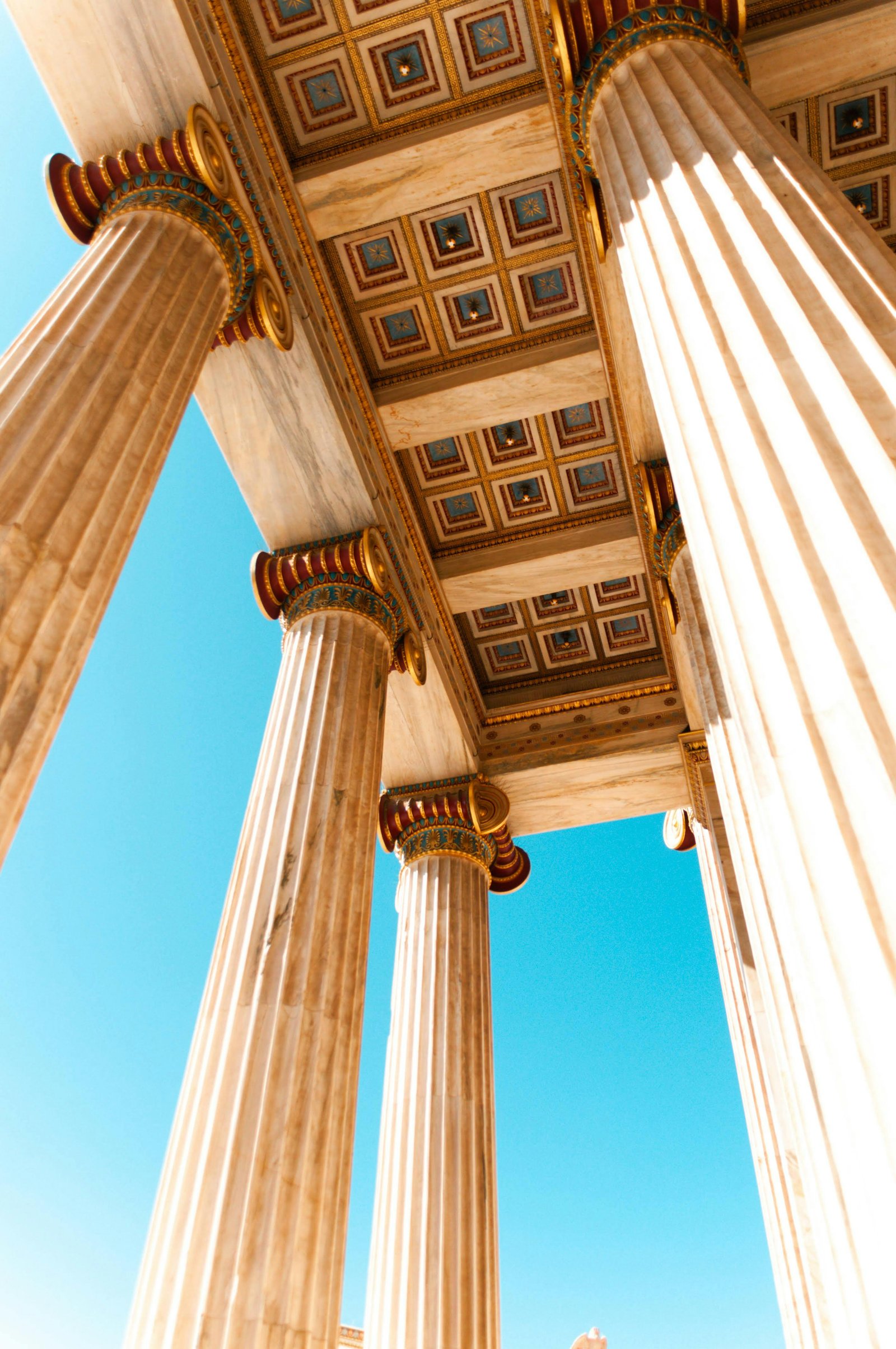
Architecture is a powerful form of artistic expression that reflects the cultural values and identity of a society. One of the key elements that contribute to the uniqueness of architectural design is the use of colors. Different cultures around the world have distinct color preferences and symbolism that are often reflected in their architectural masterpieces. In many Eastern cultures, such as China and Japan, red is a prominent color that symbolizes good luck, happiness, and prosperity. This is why you often see red accents in traditional Chinese temples and Japanese pagodas. In contrast, white is a color commonly associated with purity and simplicity in many Western cultures, which is why you see it used extensively in buildings in countries like Greece and Italy. The vibrant hues of Indian architecture reflect the country's rich cultural heritage and love for bright colors. From the intricate designs of the Taj Mahal to the colorful facades of traditional Haveli mansions, India's architecture is a true celebration of color. In South America, countries like Mexico and Brazil are known for their vibrant and colorful buildings that capture the essence of their lively cultures. In Islamic architecture, geometric patterns and intricate tile work often take center stage, with a color palette that includes blues, greens, and golds. These colors are not only visually stunning but also hold symbolic meanings related to spirituality and unity within the Islamic faith. Even within the same country, regional differences in culture and traditions can influence the use of colors in architecture. For example, in the United States, the colorful Art Deco buildings of Miami Beach reflect the city's playful and vibrant personality, while the subtle earth tones of adobe buildings in the American Southwest pay homage to the region's Native American heritage. As architects and designers continue to draw inspiration from various cultures around the world, the fusion of different color palettes and architectural styles creates a beautiful tapestry of diversity in the built environment. By understanding the significance of colors in different cultures, we can appreciate the rich tapestry of global architecture and how it reflects the values and traditions of societies around the world.
Leave a Comment:
SEARCH
Recent News
- Vancouver is a vibrant city known for its stunning architecture and thriving business sector. The architectural landscape of Vancouver is a harmonious blend of old and new, with a mix of historic buildings and modern skyscrapers that grace the city skyline. From the iconic Canada Place to the sleek design of the Vancouver Convention Centre, the city boasts a diverse range of architectural styles that reflect its rich heritage and contemporary flair.
- When it comes to architecture in Vancouver, there are several notable companies that stand out for their exceptional work and innovative designs. These companies have made a significant impact on the city's skyline and have pushed the boundaries of architectural excellence. Let's take a closer look at some of the best architecture firms in Vancouver:
- Architecture plays a vital role in shaping the landscape of a country, and in the United Kingdom, the government offers a range of business support programs to help architects and architectural firms thrive. These programs aim to encourage innovation, growth, and sustainability within the industry, ultimately contributing to the development of high-quality buildings and infrastructure.
- Exploring the Architectural Charm of Turkish Residency
- Tunisia is a country known for its rich history and diverse culture, and its architecture reflects this unique blend of influences. From ancient Roman ruins to Islamic design elements, Tunisia's architectural heritage is a treasure trove of history and beauty.
- Tunisia, a North African gem known for its rich history, vibrant culture, and stunning architecture. From ancient ruins to intricate mosques, Tunisia showcases a diverse array of architectural marvels that tell the story of its past and present.
- Tunisia is known for its rich cultural heritage, vibrant markets, and stunning architecture. One aspect of this vibrant architecture that stands out is the design of Tunisian hotels. From historic buildings to modern resorts, Tunisian hotels showcase a unique blend of traditional and contemporary styles.
- When it comes to architecture, trends come and go, reflecting the evolving needs and desires of society. In recent years, several architecture trends have emerged, shaping the way buildings are designed and constructed. From sustainable architecture to smart technology integration, here are some of the top architecture trends to watch out for.
READ MORE
5 months ago Category :

Vancouver is a vibrant city known for its stunning architecture and thriving business sector. The architectural landscape of Vancouver is a harmonious blend of old and new, with a mix of historic buildings and modern skyscrapers that grace the city skyline. From the iconic Canada Place to the sleek design of the Vancouver Convention Centre, the city boasts a diverse range of architectural styles that reflect its rich heritage and contemporary flair.
Read More →5 months ago Category :

When it comes to architecture in Vancouver, there are several notable companies that stand out for their exceptional work and innovative designs. These companies have made a significant impact on the city's skyline and have pushed the boundaries of architectural excellence. Let's take a closer look at some of the best architecture firms in Vancouver:
Read More →5 months ago Category :

Architecture plays a vital role in shaping the landscape of a country, and in the United Kingdom, the government offers a range of business support programs to help architects and architectural firms thrive. These programs aim to encourage innovation, growth, and sustainability within the industry, ultimately contributing to the development of high-quality buildings and infrastructure.
Read More →5 months ago Category :
